The MICE events are a key element for driving professional relationships, boosting internal motivation, and projecting a brand’s image. But for them to truly work, every detail must be taken care of: from logistics to the attendee experience. At Tukia Eventos, our corporate event organization service is created for exactly that: helping you design strategic gatherings that generate connections and results. Shall we explore the aspects that most influence their success?
Turn your MICE event into a professional, memorable experience
We take care of everything so you can focus on the impact.

What is a MICE event
The MICE events are a specific category within business tourism, focused on relationships and the exchange between professionals across different industries.
The term MICE comes from the English initials for Meetings, Incentives, Conferences, and Exhibitions. This classification covers a variety of events organized with the purpose of facilitating interaction and networking among participants. These events are essential for companies, as they create significant business and collaboration opportunities.
Types of MICE events
The MICE sector includes different formats that adapt to the specific needs of organizations.
Meetings and corporate gatherings
Meetings are spaces where teams or professionals come together to address specific objectives, facilitate decision-making, and foster collaboration. They can range from small internal meetings to large gatherings involving multiple companies.
Incentive trips for employees and clients
The incentive trips are experiences designed to motivate and reward employees, clients, or suppliers. These activities usually include trips to attractive destinations and exclusive experiences, in order to reinforce loyalty and commitment.
Conferences, congresses, and conventions
The congresses and conventions bring together a large number of professionals and experts on a specific topic. They focus on presenting new products, reviewing recent research, and discussing topics relevant to the industry, providing an ideal space for the exchange of ideas and knowledge.
Exhibitions, trade fairs, and industry events
Exhibitions and trade fairs allow companies to showcase their products and services to the public and to other industry professionals. These events are important for generating visibility and establishing business contacts.
Objectives and audience in MICE event planning
Clearly defining the objectives and understanding the audience is essential when planning MICE events. Goals should be specific, measurable, achievable, relevant, and time-bound. This may include:
- Present new products or services.
- Strengthen relationships with existing business partners.
- Encourage the exchange of knowledge and good practices among professionals.
Having clarity on these goals will allow for more efficient planning and a more cohesive approach throughout the event.
Identifying and analyzing the target audience
It is essential to know who will attend the event. This includes identifying the different stakeholder groups, such as employees, clients, or strategic partners. Gathering information about their interests and needs will help create a more engaging and receptive environment.
Personalization by attendee type and industry
Personalization can be key to increasing attendee satisfaction. Adjusting the content, activities, and atmosphere based on the type of audience and the specific industry is vital. For example:
- Offer talks aimed at executives at a business congress.
- Implement group dynamics to foster teamwork on an incentive trip.
Impact on the company and benefits for participants
MICE events not only encourage networking, but also generate a significant impact for the organizing company. Benefits may include:
- Improved corporate image.
- Increased business opportunities.
- Strengthening company culture among employees.
Participants, in turn, also benefit by establishing valuable connections and gaining new knowledge that can be applied in their respective areas.

Choosing the right venue for MICE events
Choosing the venue for a MICE event is crucial to its success. A suitable space will not only facilitate the development of activities, but will also influence the overall attendee experience.
Convention centers and hotels in Barcelona
Barcelona has a wide variety of convention venues and hotels that are perfectly equipped to host MICE events. These facilities usually offer large halls, catering services, and advanced technology for presentations. Examples include:
- Convention centers with multipurpose rooms.
- Hotels with adaptable spaces and comprehensive services.
Outdoor event spaces and networking areas
Including outdoor areas can enrich the event atmosphere. These spaces encourage networking and allow attendees to interact in a less formal setting. Spaces such as parks, terraces, and gardens offer the flexibility needed for additional activities.
Capacity and attendance: choosing the right venue
Determining the venue size is important to ensure that all attendees are comfortably accommodated. It is vital to have a space that not only meets the desired capacity, but also offers multiple setups for different types of activities and dynamics.
Required facilities and technological equipment
The venue facilities must be suitable for the type of event you want to hold. This includes:
- Projection systems and screens.
- High-speed internet connections.
- Audiovisual equipment and technical support.
Additional services: catering, security, and accessibility
Making sure the venue offers additional services is another essential point. Good catering can enhance the experience, while security ensures the well-being of all participants. It is equally important that the site is accessible to all attendees, including options for people with reduced mobility.

Designing and planning the event experience
The design and planning are essential to create an unforgettable experience at a MICE event. Every detail matters to achieve the right atmosphere, aligned with the established objectives.
Creating an engaging, coherent theme
A well-defined theme can be the thread that ties the event together. It should be attractive and relevant to attendees, unifying all elements of the program. Considering the venue aesthetics, decor, and event branding are essential steps to maintain thematic coherence throughout all activities.
Activity scheduling and program plan
Proper activity scheduling is key to keeping the group engaged and motivated. The following actions should be considered:
Presentations and talks
Including relevant experts and speakers ensures valuable information is shared. These training sessions should be scheduled at times that allow for maximum attendance and interest.
Team-building activities and group dynamics
Encouraging connection among attendees through interactive dynamics creates a positive atmosphere. These dynamics can range from games to collaborative workshops.
Networking sessions and informal spaces
It is important to facilitate meaningful interactions. Informal spaces such as coffee areas or group lunches are ideal for people to exchange ideas and establish professional relationships.
Leisure and cultural visits to complement the experience
Including leisure activities, such as visits to iconic places, can enrich the event experience. This not only provides a break from the more formal format, but also highlights local culture.
Using technology for immersive and hybrid events
Implementing advanced technology is essential to attract a modern audience. Hybrid events, which combine physical presence and virtual attendance, make it possible to reach a broader audience. The use of event apps facilitates interaction, scheduling, and access to relevant information, improving the overall attendee experience.
Logistics management and service coordination
The logistics and coordination are essential pillars for the success of a MICE event. Effective management of these aspects ensures that every element runs smoothly and harmoniously.
Bookings and supplier coordination
Planning begins with managing bookings. It is essential to ensure that all necessary venues and services are available on the planned dates. This process includes:
- Book the event venue, ideally in advance.
- Coordinate with suppliers, such as catering, audiovisual, and decor.
- Confirm logistical details such as schedules and specific requirements.
Hiring specialized services for MICE events
Having experts in different areas is key to the quality of the event. It is recommended to hire services that include:
- Event design and planning consultants.
- Qualified staff for technical and operational management.
- Entertainment providers, such as speakers or artists.
On-the-day event organization and control
The event day requires special attention. Organization and control must be meticulous, covering:
- Check the equipment and the layout of the spaces before attendees arrive.
- Assign clear roles to the team for a quick response to any eventuality.
- Monitor compliance with the scheduled activity agenda.
Solutions to keep the event running smoothly and handle unforeseen issues
Setbacks are inevitable, so being prepared is crucial. It is advisable to have:
- A plan B for each area, from catering to technology.
- Rapid response teams ready to act in case of unforeseen events.
- Effective communication channels within the team to facilitate problem resolution.

Promotion and communication for event success
Effective promotion and clear communication are fundamental to the success of any MICE event. A structured approach in these areas helps attract interested people and create an environment conducive to networking.
Marketing strategies and social media promotion
Implementing digital marketing strategies is essential to increase the event’s visibility. Social media is a powerful tool that allows you to:
- Create engaging content that communicates the value of the event.
- Run targeted advertising campaigns to reach the desired audience.
- Encourage interaction and interest through regular posts and updates.
Communication targeted to the target audience
Segmenting the audience makes it easier to personalize messages and communication. Delivering information in a relevant way includes:
- Identify the needs and interests of guests.
- Use different communication channels, such as email marketing or newsletters.
- Coordinate clear messages that highlight the benefits of attending the event.
Digital tools to maximize participation
There are various digital tools that can optimize the event experience. These solutions help to:
- Offer interactive platforms to facilitate access to information and participants.
- Incorporate event management apps, improving navigation and access to the agenda.
- Facilitate the use of surveys and forms to capture attendees’ opinions.
Registration management and attendee tracking
Good registration management helps maintain control over attendance. Key points include:
- Establish a clear and accessible system for participant registration.
- Follow up on registrations to adapt resources and capacities.
- Provide automatic confirmations and reminders to everyone to ensure participation.
Post-event evaluation and follow-up
The evaluation and follow-up process is crucial to determine the effectiveness of a MICE event. It allows you to identify successes and areas for improvement for future gatherings.
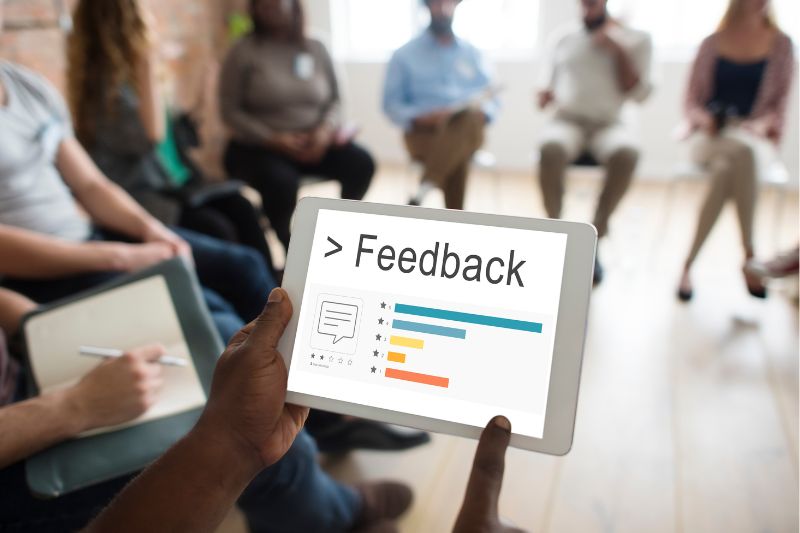
Collecting feedback through surveys and opinions
A key strategy is to gather attendees’ opinions through surveys and forms after the event. This provides valuable information about the overall experience and aspects that could be improved. Questions may cover:
- Overall satisfaction with the event.
- Quality of speakers and activities.
- Assessment of the venue and logistics.
- Relevance of the content presented.
Identifying areas for improvement for future events
Once the information has been collected, areas where improvements can be made should be identified. This reflection is a fundamental step to refine the organization of future events. You can consider:
- Logistical aspects that failed or required adjustments.
- Content elements that did not resonate with the audience.
- Reactions to networking activities and their effectiveness.
Sustainability and responsibility in MICE events
Sustainability and social responsibility are key aspects of organizing MICE events today. Integrating environmentally friendly practices not only improves the quality of the event, but also generates a positive impact on society.
Organizing a MICE event with a strong sustainability focus brings multiple advantages to the company. It builds a positive image and creates loyalty among attendees by demonstrating a real commitment to the well-being of the planet and society. This not only attracts a more conscious audience, but also strengthens the company’s reputation in the sector.
Benefits of organizing your MICE event with Tukia Eventos
Organizing a MICE event with Tukia Eventos provides multiple benefits that optimize the experience and ensure the event’s success.
Industry knowledge and experience in corporate events
Tukia Eventos has extensive experience in managing MICE events, especially in the corporate environment. This deep knowledge allows for strategic planning that adapts to the particularities of each sector.
Tailor-made solutions adapted to any type of event
Personalization is key in event planning. Tukia Eventos offers tailor-made solutions that adapt to the specific needs of the client and the audience they are targeting.
- Identifying the event objectives.
- Adapting the theme to the audience profile.
- Creating unique experiences that encourage networking and interaction.
Iconic venues and advanced technology at your disposal
Choosing the right venue has a significant impact on the perception of the event. Tukia Eventos works with iconic venues in Barcelona, equipped with the latest technology.
- Projection systems and high-quality sound.
- Stable Wi‑Fi connectivity and efficiency.
- Suitable facilities for interactive activities.
End-to-end support from planning to evaluation
The Tukia Eventos team is dedicated to providing full support in every phase of the event. From the initial planning phase to the post-event evaluation, they ensure that every detail is considered.
- Coordination of suppliers and services.
- Handling unforeseen issues during the event.
- Collecting feedback for future events.